
Pre-Conference: Wednesday October 21, 2026
From Practice to Pedagogy: Building Confidence and Competence in the Novice Nurse Educator
SENSES Conference: Thursday – Friday, October 22-23, 2026
Location: Lumina on Wrightsville Beach a Holiday Inn Resort
1706 North Lumina Avenue Wrightsville Beach, NC 28489
Target Audience
Nurse educators, clinical educators, nursing professional development specialists, academic faculty, and anyone who provides continuing professional development to healthcare providers.
Program Description
Join us for the 20th Annual South Eastern Nurse Educator Symposium (SENSES) held at the picturesque Wrightsville Beach, NC. This symposium offers educational sessions applicable to nurse educators at all levels, from bedside to classroom. Explore the 25 evidence-based posters on Thursday and Friday. Network with colleagues from across North Carolina at our reception celebrating 20 years of providing nursing professional development for educators. Visit with our Exhibitors showcasing their unique products and services that may enhance your role as educators. Expand your teaching practices and forge valuable connections at SENSES.
This event is hosted by Southern Regional AHEC in partnership with Duke AHEC.
Learning Outcome
At the conclusion of this symposium, participants will be able to identify at least one new evidence-based concept or strategy relevant to their role as a nurse educator.
Planning Committee
Lisa S. Johnson, DNP, RN
Administrator, CPD
Southern Regional AHEC
Tonja Teter, BSN, RN
Director Nursing CPD
Southern Regional AHEC
Christi Boahn
Project Specialist, CPD
Southern Regional AHEC
Jennifer Wells, PhD, RN
Director of Nursing Education
Cape Fear Valley Health
Christy Swinson, DNP, FNP-C, CMSRN
Associate Dean | Associate Professor
Fayetteville State University
Jody Cherniak, MSN, MBA-HCM, VHA-CM, GRN
RN Transition to Practice Program Director
Durham VA Medical Center (Retired)
Registration Fee
Early Registration by August 12, 2026
SENSES: Both Days: $425
SENSES: Day 1 Only: $275
SENSES: Day 2 Only: $275
Pre-Conference Only: $175
Value Package
Both Days + Pre-Conference: $600
SENSES: Day 1 Only + Pre-Conference: $450
*** Specialty Discounts (per Person)
Group Rate SENSES Only: $400
Onsite Registration after October 16, 2026
SENSES: Both Days: $500
SENSES: Day 1 Only: $350
SENSES: Day 2 Only: $350
Pre-Conference Only: $175
Registration Value Package
Both Days + Pre-Conference: $675
SENSES: Day 1 Only + Pre-Conference: $525
Registration August 13, 2026 - October 16, 2026
SENSES: Both Days: $450
SENSES: Day 1 Only: $300
SENSES: Day 2 Only: $300
Pre-Conference Only: $175
Value Package
Both Days + Pre-Conference: $625
SENSES: Day 1 Only + Pre-Conference: $475
*** Specialty Discounts (per Person)
Group Rate SENSES Only: $425
*** Group Rate - Per person when 3 or more register together with 1 form of payment. Call Christi Boahn at 910-678-7240 when registering for group rate.***
*** A $50 discount is available for participants registering for the pre-conference. Once the Pre-Conference option is selected, the discount code will appear under Event/Track Fees.***
Pre-Conference Agenda
From Practice to Pedagogy: Building Confidence and Competence in the Novice Nurse Educator
Bridgett Sellars, PhD, RN, CNE, FACHE, NE-BC
Wednesday, October 21, 2026
Transitioning from expert clinician to a competent and effective Nurse Educator requires more than just clinical expertise. Novice nurse educators must develop foundational knowledge and skills in teaching, learning, curriculum alignment, assessment, learner engagement, and professional role development. This interactive workshop is designed for nurses who are new to academic or clinical education roles and are seeking practical strategies to build confidence and competence as educators. Participants will explore the unique responsibilities of the Nurse Educator, examine the National League for Nursing (NLN) Nurse Educator Competencies, apply evidence-based teaching strategies, and develop a learner-centered mini-lesson plan. Through guided activities, reflection, and discussion, participants will leave with actionable tools to support their transition into the Nurse Educator role and a personalized professional development plan.
Learning Objectives
At the end of this program, participants will be able to:
- Differentiate the roles and responsibilities of the clinician and Nurse Educator in alignment with the NLN Nurse Educator
- Apply at least two evidence-based teaching strategies to promote learner engagement and support diverse learning needs.
- Develop an evidence-based mini-lesson plan that incorporates learning outcomes, instructional activities, and assessment and evaluation strategies.
- Create a professional growth plan that identifies goals and resources for continued development in the Nurse Educator role.
Agenda
12 p.m. Welcome and Introduction
12:15 p.m. Session 1: Understanding the Nurse Educator Role
1 p.m. Session 2: Foundations of Teaching and Learning
1:45 p.m. Break
2 p.m. Session 3: Evidence-Based Teaching Strategies
2:50 p.m. Session 4: Designing an Effective Learning Experience
3:40 p.m. Session 5: Validation of Learning Using Effective Assessment and Evaluation Tools
4:10 p.m. Session 6: Professional Development for the Novice Educator Reflection, Closing the Loop, and Action Planning
4:30 p.m. Adjourn
20th Annual SENSES Conference Agenda
Thursday, October 22, 2026
8 a.m. Sign-In / Breakfast / Exhibits
8:50 a.m. Welcome
9 a.m. The E.D.G.E. of Influence: Focused & Fearless Legacy Building
Melissa Godwin Overton, RN, BSN, CEO/Founder MedicalTraining.me & The Overton Experience
In a profession built on impact, nurse educators don’t just transfer knowledge, they shape the future of healthcare through every learner they influence. But meaningful influence doesn’t happen by accident. It requires intention, reflection, and courage to grow. In this powerful keynote, leadership strategist and author Melissa Overton invites participants to pause and take a focused look inward—because the greatest leadership advantage begins with self-awareness. Using a practical and thought-provoking self-SWOT analysis, attendees will evaluate their strengths, identify gaps, recognize opportunities for growth, and confront the unseen barriers that may be limiting their influence. From that foundation, Melissa introduces The E.D.G.E. of Influence Framework—a simple yet transformative approach to legacy building: Experience – honoring the lessons that shaped you Distill – clarifying what truly matters Give it away – intentionally developing others Elevate – multiplying your impact beyond the moment Grounded in the principles of Focused & Fearless Leadership, this session challenges educators to move beyond routine and step into purposeful influence—where what they model, teach, and tolerate creates a lasting ripple effect across generations of nurses.
10 a.m. e-Poster Presentations / Exhibits
11 a.m. Evaluating the Impact of an Academic-Practice Partnership on New Graduate Nurse Recruitment
Katie Fulbright DNP, RN, NPD-BC, PCCN, Brooke Kistler, PhD, RN, CNE, Catawba Valley Medical Center
Nursing pipelines continue to face challenges in the post-pandemic era, including high turnover rates and limited educational capacity. Academic-practice partnerships (APPs) offer an innovative approach by bringing healthcare organizations and nursing schools together to strengthen clinical education, workforce readiness, and recruitment. This presentation examines a one-year evaluation of the APP between Catawba Valley Medical Center and Catawba Valley Community College, where senior nursing students completed clinical rotations led by experienced bedside nurses employed by the health system. Guided by Donabedian’s Quality Improvement Systems Model, the evaluation explored how the partnership’s structure, processes, and outcomes influenced student learning experiences, engagement with organizational culture, and new graduate nurse recruitment. Attendees will learn key elements of a successful and sustainable APP, including clearly defining workforce needs, designing meaningful clinical experiences, and developing evaluation strategies that demonstrate impact on recruitment and retention outcomes.
12 p.m. Lunch / Exhibits
1 p.m. Concurrent Sessions
1A: From Student to Professional Nurse: Using Peer-Assisted Learning to Support Professional Role Development in Nursing Students
Caitlin M. Lofton, EdD, MSN, RN, CEN, CNE, Johnson & Wales University
Dana R. Martin, DNP, RN, CNE, University of South Carolina
Preparing nursing students to transition into the professional nursing role requires opportunities to practice leadership, communication, delegation, collaboration, and teaching skills prior to graduation. However, opportunities to actively engage in these role behaviors within clinical environments are often limited. Peer-assisted learning (PAL), in which students facilitate learning among peers, provides one strategy for engaging students in meaningful professional role experiences while supporting peer learning. This presentation will explore how PAL activities can be integrated into prelicensure nursing education to support professional role development. Two PAL experiences implemented within a senior-level nursing course will be described. In the first activity, students served as the Student Charge Nurse during clinical, coordinating patient assignments, delegating responsibilities, and supporting peers throughout the clinical day. In the second activity, students completed a student-designed simulation project in which they developed and facilitated simulation scenarios for junior students and led structured mini-debriefings. Findings from qualitative analysis of student reflections following these experiences will be shared, highlighting student perceptions of leadership, communication, teaching, and professional role development. Implications for incorporating peer-assisted learning strategies within nursing curricula will also be discussed.
1B: From Limited Access to Lasting Impact: Sustainable Simulation Solutions to Increase Competence in Nursing Specialties
Kristen Morgan, DNP, MSN, RN, CNE, CHSE; Sarah Martin, DNP, MSN, RNC-OB, AHN-BC, Appalachian State University
Undergraduate nursing programs, particularly those in rural settings, often face challenges in ensuring equitable student exposure to specialty areas such as obstetrics, pediatrics, and community/behavioral health. Limited clinical agency availability, inconsistent specialty rotations, and faculty shortages create barriers to standardized learning experiences necessitating sustainable simulation solutions. To address these gaps, our BSN program has systematically integrated competency-based education (CBE) into the curriculum using targeted simulation strategies designed to meet course and program-level Student Learning Outcomes (SLOs). Conference participants will leave with actionable ideas for embedding specialty nursing simulations into their own curricula to overcome clinical placement challenges, maximize limited resources, and support the achievement of competencies in undergraduate nursing education. This presentation will highlight innovative, sustainable simulation solutions that provide consistent, competency-driven experiences across specialty areas.
1C: Beyond the Building: Leadership in Online, Hybrid, and Multi-Campus Nursing Education
Kylee J. Cisneros, DN, RN, CEN, TCRN
As nursing education programs expand across online, hybrid, and multi-campus environments, nurse educators in leadership roles are increasingly responsible for leading faculty they may rarely see in person. This session explores the unique leadership challenges of managing distributed nursing faculty, including maintaining curricular consistency, supporting faculty engagement, and fostering shared expectations across modalities and locations. Drawing on real-world leadership experience, participants will examine practical strategies for communication, alignment, and accountability that support both faculty performance and student outcomes in decentralized program structures. Emphasis will be placed on leadership approaches that promote connection, clarity, and a culture of trust while meeting accreditation and program quality expectations. Attendees will leave with actionable tools and leadership practices that can be immediately applied within their own multi-site or multi-modal nursing programs.
2 p.m. e-Poster Presentations / Exhibits
3 p.m. Concurrent Session
2A: Enhancing Student Learning and Performance Through AI-Generated Prebriefing and Debriefing Frameworks
Austin DesJardin MSN, RN, CNE; Tacuma Womble, MSN, RN, Watts College of Nursing
Skills laboratories are critical for integrating theory with psychomotor skill development, yet inconsistent instructional structure can limit student readiness and outcomes. This session presents a mixed-methods study examining the use of AI-generated structured prebriefing and debriefing frameworks to enhance engagement, reflection, and exam performance in undergraduate nursing skills labs. Participants will learn how to apply, refine, and optimize AI-generated prebriefing and debriefing strategies grounded in experiential learning and simulation design principles. Attendees will leave with practical, ethical approaches to leveraging AI for instructional consistency, improved student performance, and innovation across classroom, lab, and clinical learning environments. Through mixed-methods including statistical analysis and a student-centered focus group, this session addresses the growing need for nurse educators to implement innovative, evidence-informed teaching strategies that improve student-readiness, promote reflective practice, and support the evolving educational workforce through ethical integration of artificial intelligence.
2B: Building Resilient Clinical Judgment with Cognitive Ergonomics
Samantha Bernstein, PhD, RN, CNE, FAWHONN
Nancy Jo Thompson, DNP, RN; Jennifer Alderman, PhD, RN, CNE, CHSE, UNC Chapel Hill
This session explores cognitive ergonomics, a neuro-based approach to understanding how people learn, process information, and develop clinical judgment. Participants will examine how evidence-based strategies such as retrieval, repetition, reflection, and prospective memory can enhance learning, improve retention, and strengthen connections between didactic and clinical experiences. Using a Mind, Brain, and Education framework, attendees will learn how working memory, attention, and fatigue influence student performance and discover practical tools to support clinical reasoning in real time. Strategies including the 4A (Anchor–Add–Apply–Away) learning sequence, clinical debriefing techniques, and prospective memory worksheets will be shared. Participants will leave with actionable tools they can immediately implement to enhance student learning and accelerate the development of clinical judgment in both classroom and clinical settings.
2C: The Accidental Educator No More: A Purposeful Approach to Educator Onboarding
Lorraine Wilson Batts, DNP, RN, CNML, Lorraine Nurse Consulting
Healthcare systems and academic programs often depend on expert clinicians to step into educator roles with little preparation. This “accidental educator” model assumes clinical expertise will naturally translate into teaching skill. In practice, it creates inconsistent learning experiences and leaves many educators feeling unsure of how to teach effectively. Expectations in nursing education have shifted. Today’s learners need engagement, critical thinking, and real-world application. Organizations such as the National League for Nursing and the American Association of Colleges of Nursing continue to emphasize the importance of preparing educators with intention. Faculty development is no longer something extra. It is part of building a safe, competent workforce. This session focuses on a practical shift. Faculty development is reframed as part of onboarding, with intentional checkpoints built into the transition from clinician to educator. Instead of a one-time orientation, clinicians move through structured moments of learning, practice, and feedback. These checkpoints help them build teaching skills, understand their role, and grow into the educator identity over time. Participants will walk away with a clear, realistic approach to strengthening educator onboarding in their own settings. The strategies shared are designed to fit into existing structures such as residency programs, preceptor development, or faculty orientation. This session offers a grounded path forward for developing confident educators and improving the learning experience across nursing education.
4 p.m. Break
4:15 p.m. Leading Change and Staff Development Using the DiSC Communication Model
Matilda Cooper MSN, RN, Cape Fear Valley Health System
This lecture provides practical strategies for understanding personality driven communication styles and for using the DiSC Communication Model to lead change and foster staff development. Participants complete a one-page DiSC self-assessment, which serves as the framework for the session and introduces how individuals tend to communicate, prioritize tasks, and interact with their teams. Participants examine how each DiSC style typically responds to organizational change and explore strategies leaders can use to support staff effectively. Examples and scenarios are presented to demonstrate how DiSC informed communication enhances staff development, coaching, and performance conversations. Participants are encouraged to reflect on their own dominant communication style and to identify practical applications within their organizations. Teaching methods include an interactive lecture, DiSC self-assessment, reflective prompts for model integration, and leadership focused storytelling and discussion.
5:15 p.m. Adjourn
5:30 p.m. Networking Reception
Friday, October 23, 2026
7:15 a.m. Sign-In / Breakfast / Exhibits
8 a.m. Mi-yo-mah-chi-wi-n: Rethinking Wellness Through Indigenous Perspectives and Academic Practice Partnerships
Jamie Lord, DNP, MSN, RNC, PMHNP-BC; Kristin Turner, B.S., M.S., Duke University
This session invites participants to reimagine wellness through Indigenous perspectives that emphasize relationality, balance, and holistic well-being beyond traditional Western frameworks. Using a six-strand model of wellness, participants will explore the interconnected dimensions of physical, emotional, spiritual, social, environmental, and intellectual health and examine how cultural context influences health, illness, and healing. Practical examples from nursing education will demonstrate how this framework can be integrated into curricula and adapted across educational and professional settings. The session will also explore how Academic Practice Partnerships can strengthen culturally responsive, community-engaged education through reciprocal collaboration among academic institutions, healthcare systems, and communities. Participants will leave with practical strategies to incorporate cultural humility, holistic wellness, and equitable partnership principles into teaching, learning environments, and clinical practice.
9 a.m. e-Poster Presentations / Exhibits
10 a.m. Concurrent Sessions
3A: Beyond the Lecture: Active Teaching Strategies That Transform Nursing Education
Emily Palladino, DNP, BSN, RN
This presentation explores the evidence-based benefits of active teaching strategies compared to traditional lecture methods in nursing education. While lectures often promote passive learning, strategies such as case studies, gamification, flipped classrooms, escape rooms, hands-on activities, and team-based learning actively engage students and enhance critical thinking, knowledge retention, concept application, and clinical judgment. Participants will examine practical examples of these instructional approaches and learn how to implement them in their own classrooms to better prepare students for clinical practice. The session concludes with an interactive group activity that allows attendees to apply active learning principles firsthand.
3B: Precepting with Purpose: Crafting an Interprofessional Curriculum for Healthcare Excellence
Allyson Kirkman, MSN, RN-BC, Cone Health
This presentation will focus on the development of an interprofessional preceptor curriculum and its impact on healthcare teams. Attendees will explore strategies for designing a comprehensive preceptor training program that fosters collaboration across healthcare disciplines. We will delve into key approaches for developing a curriculum that supports interprofessional learning, enhances communication, and equips preceptors to mentor effectively within diverse healthcare teams. By the end, participants will gain practical insights into creating a training framework that strengthens healthcare teams and promotes high-quality patient care.
3C: Sustaining Innovation: Mobile Clinical Curriculum Design in an HBCU Nursing Program
Shinel Stephens, DNP, APRN, FNP-C; Tina Scott, DNP, PMC-NE, CHSE RN, North Carolina Central University
This session highlights a proven, innovative model integrating a mobile health unit into an undergraduate nursing curriculum at a Historically Black College and University (HBCU). The model has demonstrated effectiveness in improving student learning outcomes while expanding healthcare access in underserved communities. Building on this success, the presentation focuses on strategies to sustain and scale the initiative, including a standardized, modular curriculum design integrated across clinical levels. A modular curriculum design, integrated across courses and clinical levels, provides a scaffolded approach to learning, ensuring that all students achieve progressive competency development regardless of placement variability. A central focus of the presentation will be the evaluation of measurable student competencies attained through mobile clinic experiences. These competencies include therapeutic communication, interprofessional collaboration, health screening, patient education and health literacy, cultural humility and empathy, and leadership development. The session will detail assessment strategies such as Objective Clinical Skills Examination (OSCE)-style evaluations, structured reflective journaling, and standardized skills checklists, all of which provide multidimensional measures of student performance and readiness for practice. By showcasing an already implemented and effective model within an HBCU context, this presentation moves beyond theory to practice. Attendees will gain actionable, evidence-based strategies to sustain mobile health initiatives through a standardized curriculum design and rigorous competency evaluation, ultimately advancing both nursing education and access to healthcare in underserved areas.
11 a.m. e-Poster Presentations / Exhibits
12 p.m. Concurrent Sessions
4A: Bridging Theory and Practice: The Design and Impact of an Immersive Interactive Nursing Education Environment
Tina Scott DNP, PMC-NE, RN, CHSE; Michael B. Render II, MIS, M.Ed; Alexis Salgado-Cervantes AAS, North Carolina Central University
This presentation explores the development, implementation, and evaluation of an immersive interactive learning environment designed to strengthen the connection between classroom instruction and clinical practice. Grounded in experiential learning and constructivist principles, the initiative addresses challenges such as limited clinical exposure, variable student confidence, and difficulties applying theoretical knowledge to clinical decision-making. Participants will learn how realistic, scenario-based experiences were integrated into nursing coursework through the use of simulation, technology, and collaborative faculty design. Students engaged in dynamic patient care scenarios that promoted assessment, prioritization, communication, teamwork, and clinical reasoning within a safe learning environment. Evaluation findings demonstrated improvements in student confidence, engagement, clinical judgment, and perceived readiness for practice. The immersive format also supported diverse learning preferences by incorporating visual, auditory, reading/writing, and hands-on learning opportunities. Attendees will gain practical insights for implementing immersive educational strategies that enhance learner engagement and better prepare students for clinical practice.
4B: Rethinking Summative Preparation: Bridging the Gap Between Didactic, Simulation, and Clinical Practice
Lindsay Arthur PhD, RN, CNE, CPN, UNC Greensboro
This presentation highlights an innovative, highly interactive summative review designed to bridge didactic, simulation, and clinical learning in a prelicensure pediatric nursing course. Using unfolding case studies, patient visualization boards, QR code-enhanced assessments, care scenarios, and high-fidelity simulation, students applied clinical reasoning and the Clinical Judgment Measurement Model to reinforce key course concepts. Implemented with approximately 90 BSN students, the activity promoted active learning, immediate feedback, and flexible participation through individual and group engagement. Attendees will learn how creative, technology-enhanced strategies can strengthen clinical judgment, improve student engagement, and support preparation for summative assessments.
4C: Developing the Universal Acceptor Nurse: A Structured Preceptorship Model for Clinical Excellence and Practice Transition
Malissa Hiott RN, CAVRN; Amy Ashe, MSN, RN, CEN, TCRN, CPEN, CAVRN, NPD-BC, Atrium Health
This presentation highlights the development and impact of Atrium Health’s Universal Acceptor (UA) Program, a nurse-driven transfer model designed to improve patient placement, optimize capacity, and enhance patient flow across a large healthcare system. UA nurses use standardized protocols and advanced clinical judgment to review transfer requests and determine the most appropriate level of care and facility, reducing inappropriate placements and improving operational efficiency. As the program expanded, a structured UA Nurse Fellowship was developed to prepare nurses for this unique system-level role. The fellowship incorporates scenario-based learning, competency validation, preceptor development, and a progressive pathway to independent practice. Participants will learn how innovative nurse-led models and intentional onboarding strategies can strengthen clinical decision-making, improve workforce readiness, and support emerging nursing roles in complex healthcare environments.
1 p.m. Lunch / Exhibits
1:45 p.m. Concurrent Sessions
5A: Micro CBE Practical Competency-Based Learning Design for Nurse Educators
Audrey Bryk-Lee, M.S., M.L.I.S.; Stephanie Guzman, M.A., UNC Chapel Hill
Competency-Based Education (CBE) is reshaping nursing education, but for many educators, the idea of adopting a CBE framework feels daunting. Where do you even start? This interactive session invites nurse educators to start small. Instructional designers from UNC Chapel Hill's School of Nursing will guide participants through the process of designing a single, competency-aligned lesson plan using a micro-level CBE approach. Rather than overhauling an entire curriculum, attendees will leave with a completed lesson-level CBE template they can implement immediately. Through peer collaboration and expert guidance, this session demystifies CBE and gives educators the confidence and tools to get started and build on their experience.
5B: From Classroom to Courtroom: A Pilot Study of Mock Trial Experiences for Prelicensure Nursing Students
Brittany Nicole Hudgins Graham, EdD, MSN, RN, CNE, CNEcl, NBC-HWC, Western Carolina University
Prelicensure nursing students often report feeling unprepared for the legal and ethical dimensions of professional practice, particularly related to documentation, scope of practice, and professional accountability. Traditional classroom instruction frequently emphasizes theoretical legal principles but offers few opportunities for experiential learning that mirrors real-life legal processes and implications. A pilot study completed by the presenters examined the use of a structured mock trial experience as an innovative teaching strategy to enhance nursing students’ legal knowledge, critical thinking, and confidence related to the legal responsibilities related to their role as future licensed nurses. This interactive session introduces a mock trial simulation as an innovative, experiential teaching strategy to enhance legal preparedness in prelicensure nursing education. Presenters review the conceptual foundation for experiential learning and summarize the design and outcomes of an Institutional Review Board (IRB) approved pilot study examining the use of mock trials in nursing curricula. The structure, logistics, and lessons learned from implementing the mock trial experience will be shared. Participants will then engage in a facilitated mock trial allowing nurse educators to experience the instructional strategy firsthand. The session will conclude with guided reflection, practical implementation recommendations, and discussion.
5C: Upping Your Game: The Educator's Role in Engagement, Development, and Retention
Jody Cherniak, MSN, MBA-HCM, RN, VHA-CM, Durham VA Medical Center (Retired)
Nursing educators play a critical role in addressing workforce challenges by preparing nurses for success and supporting their ongoing professional development. This session examines how NPD practitioners, clinical educators, and faculty can influence learner engagement, competency development, and retention through intentional educational strategies and supportive learning environments. Participants will leave with practical tools to strengthen their impact on both individual learners and the broader nursing workforce.
2:45 p.m. Break
3 p.m. From Bedside to Legislature: How Policy Shapes Nursing Education and Practice
Gale Adcock, MSN, RN, FNP-BC, FAANP, FNAP, FAAN, United States Senator, Associate Professor, Duke University
This session explores the critical connection between healthcare policy and nursing education and practice. Participants will examine how legislative decisions influence curriculum design, scope of practice, workforce development, and patient care delivery. Through real-world examples, attendees will gain insight into the policy-making process, and the role nurses play in shaping healthcare systems at the local, state, and national levels.
4 p.m. Adjourn
ePoster Presentations: Day 1: Thursday, October 22, 2026
10:30 a.m. and 2 p.m.
Beyond the Bedside: Male Nurse Preceptors’ Perceptions on Teaching in Nursing Education
Mark C. Hand PhD, RN, CNE
East Carolina University
From Disruption to Engagement: Supporting Nursing Students After Disaster Events
Kristen Morgan, DNP, MSN, RN, CNE, CHSE
Appalachian State University
One BSN Tearing Down Silos During a Curriculum Revision
Tristin Carpenter, RN, MSN, DNP; Sandi Eubanks, MSN; Lynne Modlin, MSN; Misty Brown, MSN; Ariel Myers, PhD
East Carolina University
Improving Nursing Student Preparedness and Reducing Anxiety Through Structured Pre-Clinical Hospital Unit Orientation
Michelle Porterfield, DNP, RN, CNE, CNEcl
Morgan Yount, MSN, RN
Watts College
Fostering Early Success in DNP Students:
An Engagement Focused First Semester Strategy
Coleen O’Brien, DNP, APRN, CPNP-AC/PC
Tara Aures, BS, M.Ed
UNC Wilmington
Measuring Nursing Faculty’s Knowledge and Application of Self-Directed Learning (SDL) Teaching Strategies Through Surveys
Hallie Bartlett, MSN, RN
Fayetteville State University
Understanding Anxiety in Nursing Students:
Academic, Clinical, and Personal Stressors
Emma Hicks, BSN
UNC Wilmington
Creating Unity in Nursing Education Within
a Health System
Jennifer M. Wells, PhD, RN
Cape Fear Valley Health System
Graduate Nursing Student Perceptions of Video Discussion Boards in Online Learning Environments
Kelly Blackmon, DNP, MSN-ED, FNP-C, RN
Amy Purser, PhD, MSN-ED, CNE, RN
UNC Pembroke
Finding Your Footing: Peer Generated Strategies
for First Semester Nursing Success
Jodi Protokowicz PhD, RN
Melissa Scott PhD, RN
Lindsey Jones MSN, RN, RNC-MNN
UNC Wilmington
Implementing Standardized Debriefing After
Code Blue Event
Penny Glover, MSN, RN
April Lancaster, DNP, RN, CRRN, NPD-BC
ECU Health Medical Center
ePoster Presentations: Day 2: Friday, October 23, 2026
9 a.m. and 11 a.m.
Leveraging an Academic Practice Partnership to Narrow the Academic to Practice Gap for Traditional BSN Student
Jeanne E. Martin, PhD, RN, CNE; Kelli Jones, MSN, RN
East Carolina University
Optimizing pathophysiology to better prepare students for nursing school
Lorenzo Saenz MSN, RN, CHSE
Western New Mexico University
Using Formative Assessment to Improve Student Learning in the Lab Setting
Misti Phillips, MSN, RN, NCSN
Shannon B. Powell, PhD, RN, CNE
East Carolina University
Quality Matters – An Instructional Study
Carol Highsmith, EdD., MPA-NE, RN
UNC Wilmington
Meet the Family: Bringing Maternal-Child Nursing to Life One Case at a Time
Jessica Ivey, EdD, MSN, RNC-OB, CNE
Nicole Beaver, MSN, RN
Gardner-Webb University
Beyond Silos Transforming Nursing Education Through Interdisciplinary Collaboration
Amy Ashe, MSN, RN, CEN, TCRN, CPEN, CAVRN, NPD-BC
Atrium Health
Who Dys? A new approach to Basic Dysrhythmia Education
Genavie Ahmad, BSN, RN
Carann Tribbett, MSN, RN, CCRN, Gero-BC
Cape Fear Valley Health System
Hard to Focus Good: Welcome to the Room: A Neurodiversity Lens on Learning and Practice
Beth Jaramillo, MSN, RN, OCN, NPD-BC
ECU Health
Mind the Gap! Applying Bandura’s Self Efficacy Theory to a Nursing School Transition to Practice (TTP) Workshop
Oonagh C. O’Reilly MSN, RN, WHNP-BC
Laree Schoolmeesters PhD, RN, CNL
Queens University of Charlotte
Testing Test Anxiety in Nursing Students
Michelle Porterfield, DNP, RN, CNE, CNEcl
Watts College
Building a Sustainable Faculty Led Mentoring Program for Nursing Students
Melissa Scott PhD, RN
Sara Bennett, MSN, FNP-C
UNC Wilmington
Pre-Conference Featured Speaker
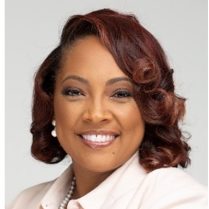
Bridgett Sellars, PhD, RN, CNE, FACHE, NE-BC serves as the CEO and Founder of Dr. Sellars Educate. She launched the company in 2021 after supporting Nurse Educators to advance their teaching skills and achieve designation as a Certified Nurse Educator over the past ten years. She is a Certified Nurse Educator by NLN, and Board Certified as a Nurse Executive and a Fellow with the American College of Healthcare Executives.
Dr. Sellars is an active member of ANCC, NLN, AACN, NCNA, and ACHE, and serves as Commissioner with the ANCC NCPD Commission on Accreditation. She completed her Doctor of Philosophy in Nursing at Research at the University of San Diego and is also a graduate of the University of North Carolina at Greensboro where she completed both her Bachelor of Science in Nursing, and her Master of Science in Nursing (Nursing Education). She is an avid sports fan having 2 sons that play basketball at the collegiate level and is the proud spouse of a U.S. Marine Corps Veteran. Since 1992, Dr. Sellars has enjoyed serving others in her community through work with her sorority, Alpha Kappa Alpha Sorority, Incorporated.
SENSES Featured Speakers
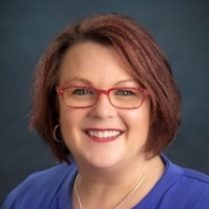
Melissa Godwin Overton, RN, BSN, is an award-winning educator, speaker, nurse, and entrepreneur with over 25 years of experience in high-stress, community-based healthcare and leadership environments, including 15 years in emergency and critical care nursing. She is the founder and CEO of MedicalTraining.me and Illuminated Training, organizations that provide leadership development and continuing education for healthcare professionals, businesses, and communities. A certified John Maxwell trainer and proud East Carolina University graduate, Melissa blends her clinical expertise with entrepreneurial roots to address burnout, toxic work cultures, and leadership gaps. Her dynamic approach has earned her numerous accolades, including the ATHENA International Leadership Award and Triangle East Chamber’s Small Businessperson of the Year. In 2022, she was selected to redesign and lead the county-wide Leadership Johnston program, impacting leaders across more than a dozen communities. Known for her energy, compassion, and networking talent, Melissa continues to uplift others while staying grounded in family, community, and her love of old-school hip hop.

Katie Fulbright MSN, RN, NPD-BC, PCCN, CHFN, serves as the Academic Partnerships and Student Programs Specialist for Catawba Valley Health System in Hickory, North Carolina. She began her nursing career in 2010 and has experience in telemetry, medical/surgical nursing, and nursing professional development. She recently completed her Doctor of Nursing Practice from Western Carolina University, where she also received her BSN and MSN – Go Cats! She holds certifications in Nursing Professional Development, Progressive Care Nursing, and Congestive Heart Failure Nursing and has a passion for coordinating educational opportunities that support the future nursing workforce. Her personal mission is to “promote student success through exceptional educational experiences.”
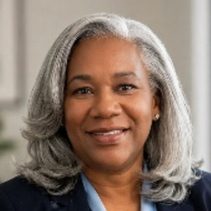
Matilda Cooper MSN, RN, is a nurse educator, healthcare leader, leadership coach, and entrepreneur dedicated to advancing nursing excellence, developing leaders, and strengthening healthcare teams. Her diverse nursing career spans maternal-child health, infusion therapy, acute care, emergency services, and academic nursing education. Matilda currently serves as the Clinical Onboarding Coordinator and Nurse Residency Coordinator at Cape Fear Valley Health System, where she mentors newly licensed and experienced nurses, supporting their transition to practice through education, leadership development, and professional coaching. A Certified DiSC Trainer, she helps individuals and teams improve communication, collaboration, emotional intelligence, and workplace engagement. She also serves as a Leadership Coach with Luminary Leadership Academy in Atlanta, Georgia, guiding emerging and established leaders to lead with purpose, authenticity, and impact. As the Founder and CEO of The TILLA Group, Matilda partners with healthcare organizations to strengthen nurse retention, enhance workplace culture, and develop resilient leadership pipelines through her proprietary TILLA Framework. Grounded in compassion and the belief that transformation is always possible, Matilda is passionate about empowering nurses, developing leaders, and helping organizations create lasting, meaningful impact.

Jamie Lord, DNP, MSN, RNC, PMHNP-BC, has been a Duke University School of Nursing faculty member since 2008 and currently teaches in the Psychiatric Mental Health Nurse Practitioner (PMHNP) Program while co-directing the VANAP PMHNP Residency Program. Her extensive clinical experience in behavioral health, veterans’ care, substance use treatment, and child/adolescent psychiatry informs her teaching. Passionate about innovation, she integrates simulation, telepsychiatry, and community-based mental health initiatives to prepare diverse, compassionate PMHNP leaders.
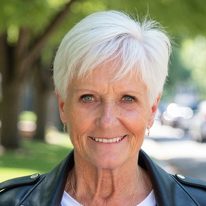
Gale Adcock, MSN, RN, FNP-BC, FAANP, FNAP, FAAN has been a North Carolina Senator since 2023, having first served in the North Carolina House of Representatives 2015-2022. She began her political career in 2007 on the Cary (NC) City Council. She received her Bachelor of Science in nursing from East Carolina University and Master of Science in nursing from University of North Carolina at Chapel Hill. Gale has been a family nurse practitioner since 1987 and was Chief Health Officer at SAS Institute for 26 years. She has served as president of the North Carolina Nurses Association, chair of the North Carolina Center for Nursing, and a 2-term member of the North Carolina Board of Nursing. She has received numerous awards and honors, including the Barbara Thoman Curtis Award for political activism from the American Nurses Association in 2018.
Credit
Earn up to 20.25 Nursing Contact Hours by attending the pre-conference, the 2-day SENSES, and all poster sessions. Participants must attend 90% of each session to receive credit.
Pre-Conference: 4.25 Nursing Contact Hours. Participants must attend at least 90% of the day to receive credit.
SENSES:
Day 1: 5.0 Nursing Contact Hours. Participants must attend at least 90% of the day to receive credit.
Day 2: 5.0 Nursing Contact Hours. Participants must attend at least 90% of the day to receive credit.
Poster Sessions: Earn up to 5.5Nursing Contact Hours by viewing and evaluating all 24 posters. Each poster is awarded 0.25 Nursing Contact Hours. Credit is issued by session and per poster viewed and evaluated.
Southern Regional Area Health Education Center is approved as a provider of nursing continuing professional development by the North Carolina Nurses Association, an accredited approver by the American Nurses Credentialing Center’s Commission on Accreditation.
Planners and presenters have declared that they have no relevant financial relationships with ineligible companies related to the content of this activity.
Conference Location / Hotel Information

Lumina on Wrightsville Beach a Holiday Inn Resort
1706 North Lumina Avenue Wrightsville Beach, NC 28489
Hotel Update
The room block at Lumina on Wrightsville Beach has ended, and the hotel is currently full.
If you still need a room, you are welcome to contact Lisa Corley at lcorley@luminaresortwrightsville.com. There may be cancellations, and she can let you know if a room becomes available.
When emailing Lisa Corley, please reference the reservation code: 20th Annual SENSES.
Substitutes/Refunds/Transfers
• Cancellations must be in writing (email or mail).
• Registrants cancelling up to two weeks prior to the event are refunded at 70% of the registration fee and are subject to a minimum $25 cancellation fee.
• No refunds will be given for cancellations received less than two weeks prior to the event.
• No refunds will be given for no-shows.
• No vouchers will be issued in lieu of a refund.
• Transfers/substitute(s) welcome (notify in advance of the program).
Attendance at this activity grants permission for Southern Regional AHEC to use any photographs, audio, video, or other images from this activity for promotional or educational purposes. Please notify an AHEC staff member if you have concerns.
ADA Services
Americans with Disabilities Act Individuals requesting accommodation under the Americans with Disabilities Act (ADA) should contact the ADA coordinator at least five days prior to the event at (910) 678-7240 or christi.boahn@sr-ahec.org.
Contact Us
Lisa S. Johnson, DNP, RN, Administrator, CPD | 910-678-7249 | Lisa.Johnson@sr-ahec.org
Tonja Teter, BSN, RN, Director of Nursing CPD | 910-678-7246 | Tonja.Teter@sr-ahec.org
Conference Registration Questions:
Christi Boahn, CPD Project Specialist | 910-678-7240 | Christi.Boahn@sr-ahec.org